


Investing in the Logistics Industry
The logistics industry rarely attracts attention until something breaks. A delayed shipment. An empty warehouse. A supply chain disruption. Yet behind every physical product sits a complex network of freight transportation, warehousing and distribution, inventory management, and fulfillment.
In the global logistics market, this system powers nearly every sector. As supply chain management grows more complex and expectations around speed, transparency, and reliability continue to rise, logistics has become far more than an operational function. It is now a strategic priority for companies and a serious investment theme for capital allocators.
For investors and founders alike, logistics industry investment offers exposure to infrastructure, logistics services, and supply chain technology that support global trade. Demand is not driven by short-term consumer trends alone. It reflects a long-term need to move goods efficiently, manage inventory accurately, and coordinate distribution at scale.
In this blog post, Rodller examines how the logistics industry creates long-term value, where capital is flowing across freight transportation, third-party logistics, warehousing and distribution, and logistics automation, and what distinguishes scalable logistics platforms from operationally constrained businesses.
That durability, combined with ongoing innovation in logistics automation and digital systems, makes logistics an increasingly relevant area for long-term growth.
Understanding the Logistics Industry
At its core, logistics industry is about managing the movement and storage of goods across supply chains. It includes freight transportation by road, rail, air, and sea; warehousing and distribution; last-mile delivery; third-party logistics (3PL); cold chain logistics; and the digital platforms that connect these activities.
Each segment of the logistics industry operates under different cost structures and capital requirements. Freight transportation depends on network density and asset utilization. Warehousing relies on location strategy and throughput capacity. Third-party logistics providers build long-term relationships by managing transportation, fulfillment, and contract logistics services on behalf of clients. Cold chain logistics requires specialized infrastructure and regulatory compliance.
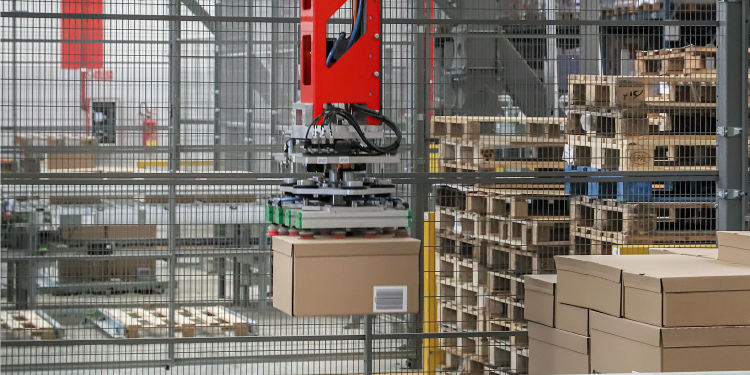
Across all segments, logistics technology and logistics automation are becoming central. Transportation management systems, warehouse management systems, and supply chain visibility platforms now support coordination, forecasting, and performance tracking. Digital tools enhance physical operations rather than replace them.
Why Logistics Attracts Long-Term Capital
Structural Demand Across Economic Cycles
The logistics industry benefits from structural demand. Goods must move regardless of market conditions. Inventory must be stored and distributed whether growth accelerates or slows.
While freight volumes may fluctuate, the underlying requirement for logistics services remains consistent. This makes the global logistics industry attractive for investors seeking exposure to real economic activity rather than purely discretionary consumption.
During slower economic periods, companies often invest in supply chain optimization and logistics automation to protect margins. Efficiency improvements in routing, inventory turnover, and warehouse utilization can deliver measurable financial results.
Increasing Supply Chain Complexity
Modern supply chains are no longer simple or linear. Companies manage multi-region supplier networks, multiple transportation modes, and complex regulatory requirements. Cross-border logistics introduces customs compliance, trade regulations, and geopolitical considerations.
This complexity creates opportunity within the logistics industry. Platforms that can coordinate freight transportation, contract logistics, and supply chain management at scale become more valuable as networks expand. From an investment standpoint, complexity also creates barriers to entry. Businesses that manage compliance, variability, and operational risk effectively are harder to replace.
For founders, complexity can become a source of defensibility. For investors, it supports long-term retention and stable revenue.
Operational Efficiency as a Value Driver in the Logistics Industry
Logistics costs directly influence profitability. Even small improvements in routing efficiency, delivery density, or warehouse productivity can have significant financial impact, especially for large enterprises.
That is why logistics automation and supply chain technology continue to attract capital. Tools that improve coordination, reduce manual processes, and increase data visibility can create repeatable efficiency gains across customers.
Investors tend to favor sectors where operational improvements translate into measurable economic value. The logistics industry fits this profile well.
Core Segments in Logistics Industry
Freight Transportation
Freight transportation remains central to the logistics industry. Road freight, rail freight, air cargo, and ocean shipping form the infrastructure of global trade.
Margins can be narrow, which makes operational discipline critical. Investors assess fleet efficiency, customer concentration, route optimization, and exposure to fuel and labor costs. Technology such as digital freight platforms and pricing systems supports better utilization, but strong execution remains essential.
Warehousing and Distribution
Warehousing and distribution have grown rapidly with the expansion of e-commerce and regional fulfillment strategies. Within the logistics industry, modern facilities function as high-throughput operational centers rather than passive storage locations.
Location quality, automation readiness, customer mix, and throughput capacity determine long-term performance. Warehouse management systems and robotics support speed and accuracy, but capital deployment must align with predictable demand.
Third-Party Logistics and Contract Logistics
Third-party logistics providers manage logistics services on behalf of clients. This includes transportation management, warehousing, inventory planning, and fulfillment.
Scalable 3PL and contract logistics platforms often benefit from long-term contracts and integrated relationships. Growth typically comes from expanding services within existing client accounts rather than constant new customer acquisition.
For investors, retention rates, service reliability, and integration depth are key indicators of quality.
Last-Mile Delivery
Last-mile delivery connects distribution centers to end customers. It has become particularly important in e-commerce logistics, where delivery speed influences customer satisfaction.
However, last-mile operations are cost-intensive. Sustainable models depend on route density, disciplined pricing, efficient labor structures, and integration with upstream supply chain systems. Speed alone does not guarantee profitability.
Cold Chain Logistics
Cold chain logistics supports temperature-sensitive goods such as pharmaceuticals, food products, and life sciences materials.
This segment requires specialized infrastructure, monitoring systems, and strict regulatory compliance. These requirements create higher barriers to entry and often result in long-term customer relationships.
For investors and founders, cold chain logistics can offer defensible positioning within the broader logistics industry.
The Role of Technology in the Logistics Industry
Logistics technology has moved from optional support to operational necessity. Transportation management systems, warehouse management systems, and supply chain visibility platforms now underpin decision-making across the global logistics market.
Importantly, technology does not replace logistics operations. It improves coordination, enhances forecasting, and supports performance measurement. Investors should distinguish between tools that generate data and platforms that meaningfully improve execution.
The strongest supply chain technology companies integrate directly into customer workflows, connect with enterprise systems, and deliver measurable efficiency gains.
What Makes a Logistics Industry Investment Attractive
Successful logistics industry investment often comes down to three factors.
First, operational depth. Teams with real experience in freight transportation, warehousing, and supply chain management are better equipped to navigate volatility and disruption.
Second, economic clarity. Strong businesses understand their cost drivers, pricing logic, and margin structure. Transparent unit economics matter whether the model is asset-heavy or asset-light.
Third, integration capability. Logistics services rarely operate independently. Platforms that integrate smoothly with ERP systems and customer technology improve retention and reduce friction.

Risks in the Global Logistics Market
The logistics industry can be capital-intensive. Vehicles, warehouses, cold chain facilities, and automation systems require significant investment and ongoing maintenance. Capacity imbalances can pressure returns.
Labor availability, regulatory compliance, and wage dynamics also affect performance. External disruptions, including geopolitical events and infrastructure constraints, are part of operating in global supply chains.
Diversification across customers, regions, and service lines helps reduce risk exposure.
The Logistics Industry as a Long-Term Investment Theme
The relevance of the logistics industry does not depend on short-term trends. It depends on necessity. As global trade continues and supply chain management evolves, demand for logistics services, logistics automation, and supply chain technology will remain strong.
For investors, the global logistics market offers exposure to real assets, recurring contract logistics revenue, and operational efficiency. Returns are often driven by disciplined execution rather than rapid multiple expansion.
For founders, the opportunity lies in solving coordination challenges, improving supply chain visibility, and building platforms that operate reliably under complexity.
Final Thoughts…
Investing in the logistics industry requires a clear understanding of how physical systems operate at scale. It demands operational discipline, thoughtful capital allocation, and realistic expectations around growth and margins.
The most durable opportunities combine freight transportation, warehousing and distribution, third-party logistics, cold chain infrastructure, and supply chain technology in ways that improve reliability and efficiency across supply chains.
In a global economy defined by movement and coordination, logistics remains one of the few sectors where disciplined execution and smart capital allocation can create long-term value.
At Rodller, we believe the logistics industry will continue to play a central role in global commerce. As supply chains evolve and operational expectations rise, the ability to combine infrastructure, technology, and execution will define the next generation of successful logistics platforms.
About Rodller
Rodller (www.rodller.com) provides Digital Marketing, Fundraising and Application Development Services. With offices in Singapore and France we serve both Startups and Fortune 2000 firms. We use a next-generation Portal to combine the use cases of Digital Marketing, Fundraising and Application Development in tangible processes.





Leave a reply