

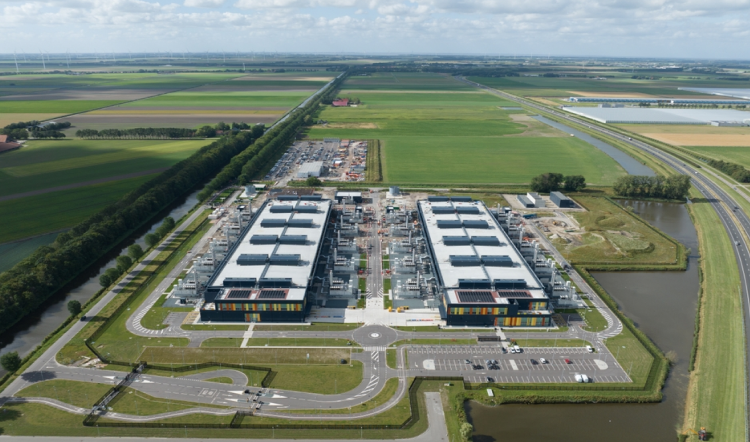
Investing in Data Centers
The global economy is becoming increasingly dependent on digital infrastructure. Artificial intelligence, cloud computing, streaming platforms, online banking, cybersecurity systems, and connected devices all require enormous amounts of data processing and storage. Behind these technologies stands one of the most important assets in modern business: data centers.
Over the last decade, data centers have evolved from technical facilities into strategic investment opportunities. Governments, private equity firms, institutional investors, and technology companies are all increasing their investments in digital infrastructure to meet growing demand for computing power and secure data storage.
In this blog post, Rodller explores why investing in data centers has become a major focus for institutional investors, how artificial intelligence and cloud computing are accelerating market growth, and what opportunities are shaping the future of digital infrastructure investment.
As digital transformation accelerates across industries, investing in data centers is becoming one of the most important long-term infrastructure trends in the global market.
Why Data Centers Have Become Strategic Assets
A data center is a facility used to store, process, and manage digital information. These facilities support cloud services, enterprise software, artificial intelligence systems, streaming services, financial platforms, and communication networks.
Every online activity depends on data center infrastructure. From video conferencing and mobile banking to AI-powered analytics and smart manufacturing systems, businesses rely on secure and efficient data processing environments.
The increasing global demand for digital services has transformed data centers into critical infrastructure assets. Similar to transportation networks or energy systems, digital infrastructure now plays a direct role in economic growth and national competitiveness.
This development has significantly increased investor interest in the sector.
The Growth of Cloud Computing
One of the biggest drivers behind data center investment is the rapid expansion of cloud computing.
Businesses are moving away from traditional on-site servers and adopting cloud-based systems that offer greater flexibility, scalability, and operational efficiency. Companies now depend on cloud platforms for software management, data storage, cybersecurity, communication, and remote operations.
Major technology companies continue expanding their cloud infrastructure to support enterprise demand. This creates strong long-term growth opportunities for hyperscale data centers designed to support large-scale cloud operations.
As cloud adoption continues across healthcare, finance, logistics, education, manufacturing, and retail industries, demand for modern data center facilities is expected to grow steadily over the coming years.
Artificial Intelligence is Accelerating Demand
Artificial intelligence has become one of the strongest growth drivers for the data center industry.
AI systems require significant computational power to train models, process data, and run advanced applications. Machine learning platforms, generative AI tools, automation systems, and predictive analytics all depend on high-performance computing infrastructure.
This growing need for AI processing power is increasing demand for specialized data centers equipped with advanced cooling systems, high-density servers, and energy-efficient infrastructure.
AI workloads consume substantially more computing resources than traditional digital operations. As companies continue integrating AI into their business models, the need for scalable and reliable data center infrastructure will continue expanding.
This trend is attracting both institutional investors and technology-focused private equity firms seeking exposure to long-term digital infrastructure growth.
The Rise of Hyperscale Data Centers
Hyperscale data centers are large facilities designed to support massive cloud computing and data processing operations.
These facilities are typically operated by major technology companies and cloud providers that require extensive computing capacity. Hyperscale infrastructure enables companies to scale operations rapidly while maintaining high performance and operational reliability.
The global hyperscale market has experienced strong growth due to increasing digital consumption, AI adoption, and enterprise cloud migration.
For investors, hyperscale facilities offer several advantages:
- Long-term lease agreements
- Stable cash flow potential
- Strong demand from technology companies
- High barriers to market entry
- Strategic infrastructure value
As global digital activity continues growing, hyperscale facilities are expected to remain central to the future of data infrastructure investment.

Data Sovereignty and Regional Expansion
Governments are placing greater emphasis on data sovereignty and cybersecurity regulations. Many countries now require businesses to store sensitive data within national or regional borders.
This regulatory trend is creating new investment opportunities in regional data center development.
Companies operating internationally often need localized infrastructure to comply with data protection laws, improve network performance, and strengthen cybersecurity capabilities.
As a result, investors are increasingly exploring opportunities in:
- Regional cloud infrastructure
- Edge computing facilities
- Localized storage systems
- National digital infrastructure projects
Emerging markets are also becoming important areas for expansion as internet penetration and digital adoption continue increasing globally.
Edge Computing and Low-Latency Infrastructure
The rise of edge computing is creating another major opportunity within the data center industry.
Traditional cloud infrastructure relies heavily on centralized facilities. However, applications such as autonomous vehicles, industrial automation, smart cities, and Internet of Things devices require faster processing speeds and lower latency.
Edge data centers process information closer to the end user, reducing delays and improving system performance.
This growing demand is increasing the need for smaller, strategically located facilities that support real-time digital operations.
Edge computing infrastructure is expected to play a growing role in sectors including Manufacturing, Healthcare, Telecommunications, Logistics, Smart infrastructure, and Autonomous transportation.
For investors, edge computing represents an emerging segment with significant long-term growth potential.
Sustainability and Energy Efficiency
Energy consumption remains one of the biggest challenges in the data center industry.
Modern facilities require enormous amounts of electricity to support servers, cooling systems, and network operations. As global demand for digital services increases, sustainability is becoming a major priority for operators and investors.
Many companies are now investing in:
- Renewable energy integration
- Advanced cooling technologies
- Energy-efficient server systems
- Carbon reduction strategies
- Sustainable infrastructure design
Environmental, social, and governance (ESG) considerations are becoming increasingly important in infrastructure investment decisions.
Investors are paying closer attention to facilities that demonstrate strong sustainability performance and long-term energy efficiency strategies.
Green data centers are expected to become a major competitive advantage as governments introduce stricter environmental regulations and businesses prioritize sustainable operations.
Private Equity Interest in Data Centers
Private equity firms and institutional investors are increasing their exposure to digital infrastructure assets.
Data centers offer several characteristics that make them attractive investment opportunities:
- Long-term demand growth
- Predictable revenue models
- Strategic infrastructure value
- Strong technology sector alignment
- Recurring enterprise contracts
The sector has seen growing merger and acquisition activity as investors seek to expand their infrastructure portfolios.
Large investment firms are acquiring operators, developing new facilities, and forming partnerships with cloud providers to strengthen market position.
The combination of stable infrastructure returns and exposure to high-growth technology trends makes data centers particularly attractive in uncertain economic environments.
The Role of Cybersecurity
Cybersecurity has become a central component of data center investment strategy.
As businesses store larger volumes of sensitive information online, the importance of secure infrastructure continues increasing. Financial institutions, healthcare organizations, governments, and technology companies all require highly secure environments for data processing and storage.
Modern data centers must maintain strong cybersecurity systems to protect against data breaches, ransomware attacks, infrastructure disruptions, unauthorized access, and operational downtime.
Facilities with advanced cybersecurity capabilities are becoming more valuable in the market.
Investors increasingly evaluate cybersecurity standards as part of infrastructure risk assessment and long-term operational strategy.

Geographic Markets Driving Growth
Several global regions are emerging as major data center investment hubs.
North America
The United States remains one of the largest data center markets globally due to strong cloud adoption, AI development, and technology sector growth.
Major metropolitan regions continue attracting infrastructure investment because of high digital demand and established network ecosystems.
Europe
Europe is experiencing increased investment in sustainable digital infrastructure, particularly in countries focused on renewable energy integration and regulatory compliance.
Data sovereignty regulations are also encouraging regional expansion across European markets.
Asia-Pacific
The Asia-Pacific region is one of the fastest-growing markets for digital infrastructure development.
Rapid digitalization, growing internet penetration, and expanding cloud adoption are driving demand for new facilities across Southeast Asia and other emerging markets.
This region is expected to remain a key growth area for investors seeking long-term infrastructure opportunities.
Challenges Facing the Industry
Despite strong growth potential, the data center industry also faces several operational and investment challenges.
Energy Availability
Access to reliable and affordable energy remains one of the biggest concerns for operators.
As AI and cloud workloads increase, electricity demand continues to rise significantly.
Construction Costs
Building advanced facilities requires substantial capital investment, particularly for hyperscale and AI-focused infrastructure.
Land and Infrastructure Constraints
Many major digital hubs face limitations related to land availability, power grid capacity, and permitting requirements.
Talent Shortages
The sector also requires highly specialized technical expertise in areas such as cybersecurity, network engineering, and infrastructure management.
Investors must carefully evaluate these factors when assessing long-term market opportunities.
The Future of Data Center Investment
The future of the global economy will depend heavily on digital infrastructure.
Artificial intelligence, automation, cloud computing, connected devices, and advanced analytics are all increasing demand for secure and scalable data processing environments.
Data centers are no longer viewed simply as technical facilities. They are becoming foundational infrastructure assets that support modern business operations, government systems, and digital innovation.
The sector is expected to continue evolving through AI-driven infrastructure expansion, sustainable energy integration, edge computing growth, advanced cybersecurity systems, and regional digital infrastructure development.
As digital transformation accelerates globally, investment in data centers is likely to remain a strategic priority for institutional investors, governments, and technology companies.
Final Thoughts…
Investing in data centers has become one of the most important opportunities within modern infrastructure and technology markets.
The combination of cloud computing, artificial intelligence, cybersecurity demand, and digital transformation is creating sustained long-term growth across the sector.
While challenges related to energy, sustainability, and infrastructure development remain important considerations, the overall market outlook continues to attract strong investor interest.
At Rodller, we see data centers as one of the most strategically important investment sectors supporting the future of artificial intelligence, cloud computing, and global digital infrastructure.
For investors seeking exposure to long-term infrastructure growth, technological innovation, and recurring enterprise demand, data centers represent a sector with significant strategic importance and expanding global potential.
About Rodller
Combine Deal Structuring, Fundraising, and AI Innovation, and you get Rodller (www.rodller.com)
We use our AI Tech to scale both ambitious startups and Fortune 2000 companies with strategic and timely capital. Whether the goal is securing equity funding or debt, Rodller acts as your strategic Capital growth engine.
Work with us for Deal Structuring, Data, and AI outreach to navigate your Capital expansion.





Leave a reply