


Developing the Future: Agtech and the Venture Capital Environment
The agriculture technology sector, colloquially known as Agtech, has been capturing the attention and investments of venture capitalists (VCs) in recent times. As the world confronts the challenges of feeding a burgeoning population, Agtech stands out as a promising frontier, offering innovative solutions to bolster productivity, sustainability, and efficiency in agriculture. In this blog post, Rodller delves into the intersection of Agtech and venture capital, examining the current state of investment, highlighting key trends, and shedding light on the promising future that lies ahead.
I. The Current Agtech Investment Landscape
Venture capital has been steadily flowing into the Agtech sector, indicating a growing acknowledgment of its potential to revolutionize agriculture. Recent years have witnessed a surge in funding for Agtech startups, driven by a confluence of factors such as the escalating demand for sustainable and technologically advanced agriculture. Investors are increasingly drawn to solutions that address the pressing challenges faced by the global food system.
1. Investment Trends in Agtech
The Agtech investment landscape is dynamic and multifaceted, encompassing a spectrum of innovations from precision agriculture and automation to biotechnology and supply chain enhancements. Investors are diversifying their portfolios by supporting startups that tackle various aspects of agricultural challenges. This diversification reflects a strategic approach to building a robust and resilient agricultural ecosystem.

II. Key Trends Shaping Agtech’s Future in Venture Capital
As Agtech continues to evolve, several key trends are shaping the future of venture capital investment in the sector. Understanding these trends is pivotal for investors aiming to navigate the dynamic Agtech landscape and identify promising opportunities.
1. Climate-Resilient Agriculture
The escalating threats posed by climate change to global agriculture are steering investments towards Agtech solutions that focus on climate-resilient practices. Technologies such as drought-resistant crops, precision water management, and data-driven climate modelling are gaining prominence. Investors are increasingly supporting technologies that help farmers adapt to the challenges presented by changing climatic conditions.
2. Digitalization and Internet of Things (IoT)
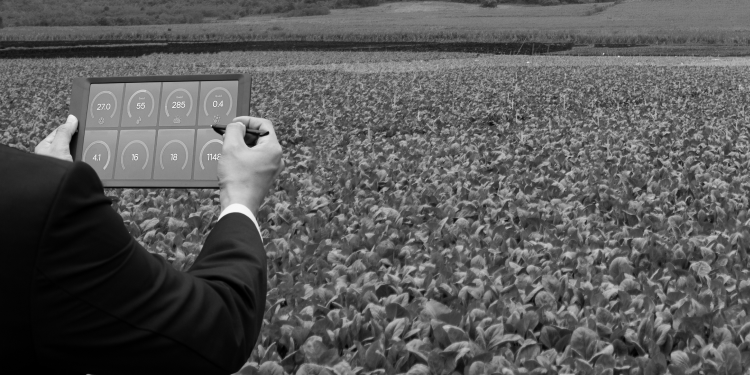
The integration of digital technologies and the Internet of Things (IoT) is ushering in the modern day of data-driven agriculture. Smart sensors, drones, and connected devices provide real-time insights into soil conditions, crop health, and machinery performance. Agtech startups leveraging IoT to enhance precision farming, automate tasks, and optimize resource use are attracting interest from investors looking to capitalize on the digital transformation of agriculture.
3. Vertical Farming and Controlled Environment Agriculture (CEA)
The constraints of traditional farming, including land scarcity and climate variability, are propelling interest in alternative cultivation methods. Vertical farming and Controlled Environment Agriculture (CEA) offer solutions by enabling year-round production in controlled environments. Investors are increasingly supporting startups that leverage these innovative approaches to enhance food production efficiency while minimizing environmental impact.
4. Sustainable Supply Chain Technologies
Consumer awareness of the environmental and ethical implications of food production is growing. Agtech startups focusing on sustainable supply chain technologies, including blockchain for transparency, traceability, and reducing food waste, are gaining traction. Investors recognize the importance of supporting technologies that contribute to a more sustainable and transparent food system.
5. Robotics and Automation
The labour-intensive nature of traditional farming practices has led to a growing interest in robotics and automation within Agtech. Startups developing autonomous tractors, robotic harvesters, and other automated solutions are poised to revolutionize agriculture by increasing efficiency and addressing labour shortages. Venture capitalists are eager to invest in technologies that enhance operational efficiency and reduce dependency on manual labour.
III. The Role of Venture Capital in Shaping Agtech’s Future
Venture capital plays a pivotal role in shaping the future of Agtech by providing essential funding, mentorship, and support for startups to scale and innovate. As the demand for sustainable and technology-driven agriculture grows, VCs are recognizing the long-term potential of Agtech investments. Here are key aspects of the relationship between venture capital and the future of Agtech:
1. Funding Innovation and Research
Venture capital serves as the lifeblood for Agtech startups, enabling them to conduct research, develop prototypes, and bring innovative solutions to market. The funding provided by VCs supports critical advancements in precision agriculture, biotechnology, and other Agtech domains, contributing to the overall progress of the industry.
2. Accelerating Market Adoption
Agtech startups face unique challenges in penetrating traditional and often conservative agricultural markets. Venture capital not only provides financial support but also facilitates market adoption by connecting startups with industry experts, establishing partnerships, and assisting in market entry strategies. VCs act as catalysts for the widespread adoption of Agtech solutions.
3. Mitigating Risks and Nurturing Growth
Investing in Agtech involves inherent risks due to the complexity of the agriculture industry, regulatory challenges, and the unpredictable nature of farming. Venture capitalists, with their expertise and experience, play a crucial role in mitigating these risks by offering strategic guidance, mentorship, and support. Through active involvement, VCs contribute to the sustainable growth of Agtech startups.
4. Catalyzing Ecosystem Collaboration
The success of Agtech extends beyond individual startups to the development of a collaborative ecosystem. Venture capitalists often facilitate partnerships and collaborations between Agtech startups, traditional agricultural players, research institutions, and other stakeholders. This collaborative approach fosters a more comprehensive and impactful transformation of the agricultural sector.
IV. Challenges and Considerations for Agtech Investors
While the Agtech sector holds immense potential, investors must navigate various challenges and considerations to make informed and sustainable investment decisions.
1. Long Investment Horizons
Agriculture is inherently seasonal and subject to external factors such as weather conditions, making it a sector with longer investment horizons. Investors in Agtech must be prepared for extended periods of development, testing, and market adoption, requiring patience and a commitment to long-term success.
2. Regulatory Complexity
The agricultural sector is subject to a complex web of regulations and policies that vary across regions. Agtech investors need to navigate this regulatory landscape, considering factors such as GMO approvals, pesticide regulations, and environmental policies. A clear understanding of regulatory challenges is crucial for successful Agtech investments.
3. Technological Risks
Agtech startups often deal with cutting-edge technologies that may face unforeseen challenges. Investors must assess the technological risks associated with innovations such as gene editing, precision farming, and automation. Due diligence is essential to understand the potential risks and rewards of specific technological approaches.
4. Adoption Barriers in Traditional Agriculture
The agriculture industry has deep-rooted traditions and practices, and convincing farmers to adopt new technologies can be a significant challenge. Investors should evaluate the scalability and adaptability of Agtech solutions, taking into account the cultural and behavioural factors that influence technology adoption in traditional farming communities.
Final Thoughts…
As in Rodller we work with VC investors, we can say the convergence of Agtech and venture capital holds immense promise for transforming the landscape of agriculture. As the world grapples with the urgent need for sustainable, efficient, and resilient food production, Agtech emerges as a catalyst for innovation. Venture capitalists, recognizing the sector’s potential, play a pivotal role in supporting Agtech startups and shaping the future of agriculture.
The trends of climate-resilient agriculture, digitalization, vertical farming, sustainable supply chains, and robotics are reshaping the agricultural narrative. As venture capital continues to flow into the Agtech sector, it amplifies the prospects of a future where agriculture is not only productive but also sustainable, resilient, and technology-driven. The symbiotic relationship between venture capital and Agtech is poised to nurture a greener, smarter, and more sustainable future for agriculture.
About Rodller
Rodller (www.rodller.com) provides Digital Marketing, Fundraising and Application Development Services. With offices in Singapore and France we serve both Startups and Fortune 2000 firms. We use a next generation Portal to combine the use cases of Digital Marketing, Fundraising and Application Development in tangible processes.





Leave a reply