


Investing in Energy Innovation
The global energy sector is undergoing major transformation. Rising energy demand, climate goals, digitalization, energy security concerns, and advances in technology are changing how businesses, governments, and investors think about power generation and infrastructure. As industries continue moving toward cleaner, smarter, and more efficient systems, energy innovation has become one of the most important areas for long-term investment.
Traditional energy systems alone are no longer enough to support growing digital economies, industrial expansion, and sustainability targets. Instead, new technologies are reshaping the market through smarter energy management, renewable energy integration, advanced battery systems, artificial intelligence, and next-generation infrastructure.
In this blog post, Rodller explores why investing in energy innovation is attracting increasing attention from institutional investors, how new technologies are reshaping global energy systems, and which sectors are creating the strongest opportunities for long-term growth.
As governments and businesses prioritize energy security, efficiency, and sustainability, energy innovation is becoming one of the most important infrastructure and investment trends in the global economy.
Why Energy Innovation Matters
Energy powers nearly every aspect of economic activity. Manufacturing, logistics, transportation, healthcare, telecommunications, agriculture, cloud computing, and artificial intelligence all depend on reliable access to electricity and modern infrastructure.
As global economies continue to expand and become increasingly digital, energy systems are facing growing pressure. Population growth, industrial development, urbanization, and digital transformation are driving electricity demand worldwide. At the same time, businesses and governments are under increasing pressure to reduce emissions, improve efficiency, and strengthen energy resilience.
This environment is creating strong demand for technologies that improve how energy is generated, stored, distributed, and consumed. Energy innovation includes a wide range of solutions, from renewable energy systems and energy storage technologies to smart grids, artificial intelligence in energy management, hydrogen technologies, energy efficiency systems, decentralized power generation, and digital energy infrastructure. Together, these innovations are helping create more resilient, efficient, and sustainable energy systems.
Rather than depending solely on traditional utilities and centralized networks, the future energy market is increasingly shaped by intelligent, flexible, and scalable technologies. This growing focus on innovation has significantly increased investor interest across global energy markets.
Renewable Energy Infrastructure Continues to Expand
Renewable energy remains one of the strongest drivers of energy innovation. Solar and wind energy have moved far beyond niche applications and are becoming major contributors to electricity generation in many regions. Businesses and governments continue investing heavily in renewable infrastructure to improve sustainability, reduce energy costs, and strengthen energy independence.
The renewable energy market continues to grow as technology costs decline and governments introduce incentives that support clean energy development. Growing concerns around energy security, climate commitments, and rising electricity demand are further accelerating investment in renewable infrastructure across global markets.
Large-scale renewable energy projects are attracting institutional investors due to their long-term growth potential and stable infrastructure characteristics.
At the same time, decentralized renewable systems are becoming increasingly important. Businesses are adopting localized energy production strategies to improve reliability and reduce dependence on centralized power systems.
For investors, renewable infrastructure remains one of the strongest entry points into the future energy economy.
Energy Storage Is Becoming Essential
One of the hottest areas in energy innovation today is energy storage. While renewable energy continues to expand globally, it also introduces a significant challenge: energy generation is not always consistent. Solar power depends on sunlight, while wind energy relies on weather conditions that can change throughout the day. As a result, electricity production does not always align with periods of peak demand.
Energy storage systems help bridge this gap by storing excess electricity and making it available when it is needed most. This capability is becoming increasingly important as renewable energy sources account for a larger share of global power generation. Without effective storage solutions, maintaining reliable and stable energy networks becomes significantly more difficult.
Battery technology has therefore emerged as a major investment area. Advanced storage systems support grid stability, facilitate renewable energy integration, accelerate electric vehicle adoption, improve industrial energy management, and strengthen overall energy resilience. Grid-scale battery projects are already being deployed worldwide to stabilize electricity networks, reduce operational risks, and improve the flexibility of energy infrastructure.
At the same time, continued innovation is improving battery performance, increasing storage capacity, extending operational lifespan, and reducing costs. These developments are making energy storage more commercially attractive for utilities, businesses, and investors alike. As global energy demand continues to rise and renewable energy deployment accelerates, energy storage is expected to remain one of the most important investment opportunities within the broader energy transition.

Smart Grids and Grid Modernization
Modern energy systems require more than electricity generation alone. Traditional electrical grids were designed for centralized energy systems with predictable demand. Today’s energy landscape is far more complex. Renewable energy, electric vehicles, distributed generation, and digital technologies are increasing pressure on existing infrastructure.
To support these changes, many countries are investing in smart grid technologies. These systems improve energy distribution, monitoring, efficiency, and reliability. They also help operators manage increasingly complex energy networks.
Smart grids use digital tools and real-time data to improve performance. Operators can monitor energy use more accurately and reduce inefficiencies. They can also improve electricity distribution, support renewable energy integration, and strengthen resilience during disruptions.
Grid modernization has become a strategic priority in many countries. Growing electricity demand and aging infrastructure are driving significant investment. Governments and private investors continue funding projects that strengthen energy security and long-term resilience.
For investors, smart grid development represents an attractive opportunity within digital infrastructure and energy innovation. As the energy transition continues, modernized grid systems will play a critical role in supporting future growth.
Artificial Intelligence Is Changing Energy Systems
Artificial intelligence is becoming one of the most important technologies in energy innovation. As energy systems become more complex, operators need better tools to manage growing volumes of data and improve performance. AI helps address this challenge by improving forecasting, optimizing operations, reducing waste, and increasing overall efficiency.
Modern energy networks generate vast amounts of information every day. AI-powered systems can analyze this data in real time and turn it into actionable insights. Energy providers already use artificial intelligence to forecast demand more accurately, optimize electricity distribution, predict maintenance requirements, improve renewable energy efficiency, and strengthen grid reliability. These capabilities help operators make faster decisions and improve system performance.
AI also plays an important role in reducing operational costs and improving infrastructure resilience. For example, intelligent systems can detect changes in electricity demand and automatically adjust grid operations to maintain stability. They can also identify potential equipment failures before they cause costly disruptions.
As digitalization continues across the energy sector, the role of artificial intelligence will continue to expand. This trend is creating new opportunities for investors, particularly in companies that combine energy expertise with advanced software, analytics, and automation technologies.
Alternative Energy Systems
Hydrogen technology has become another major focus within energy innovation. Green hydrogen is produced using renewable energy and is increasingly viewed as a potential solution for industries that are difficult to decarbonize. Sectors such as heavy manufacturing, shipping, aviation, chemicals, and industrial transport often require alternatives to traditional fossil fuels.
Hydrogen technologies are receiving growing attention because they can support industrial decarbonization, long-duration energy storage, heavy transportation, industrial heating systems, and broader energy diversification strategies. As governments and industries pursue lower-emission solutions, many view hydrogen as a complementary technology alongside renewable energy and electrification.
Hydrogen infrastructure still faces cost and scalability challenges, yet investment activity continues to grow globally. Governments and private investors are funding research, production facilities, and supporting infrastructure to strengthen long-term competitiveness. For long-term investors, hydrogen remains a higher-risk but potentially high-growth segment within energy innovation.
Energy Efficiency Is Becoming a Competitive Advantage
Energy innovation is not only about producing more electricity. It is also about using energy more efficiently. Businesses across industries are increasingly investing in technologies that reduce operational costs and improve energy performance.
Energy efficiency technologies range from smart energy management systems and automated monitoring tools to industrial optimization platforms, digital energy analytics, and intelligent building technologies. These solutions help organizations improve performance, reduce waste, lower operating costs, and support broader sustainability goals.
Energy efficiency is becoming increasingly important in manufacturing and industrial operations. Rising electricity prices are encouraging businesses to optimize energy use and strengthen operational resilience. As a result, investors are paying closer attention to companies and infrastructure projects that improve energy productivity while reducing environmental impact.
Decentralized Energy Systems and Energy Security
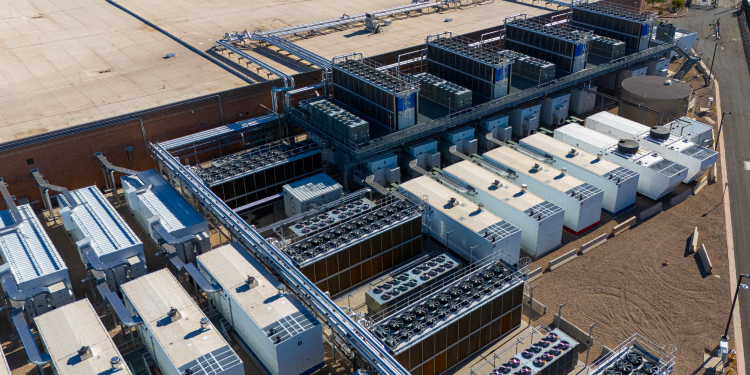
Energy security has become a major investment theme in recent years. Supply chain disruptions, geopolitical uncertainty, and pressure on traditional infrastructure have increased interest in decentralized energy systems. As a result, businesses and communities are looking for ways to strengthen energy resilience and reduce dependence on centralized networks.
Many organizations are adopting localized power systems that include renewable generation, battery storage, microgrids, smart energy networks, and backup power infrastructure. These solutions help improve energy independence while increasing operational flexibility and reliability.
Decentralized systems can also reduce vulnerability to disruptions and strengthen business continuity. As energy resilience becomes a higher priority, investors continue directing capital toward technologies and infrastructure that support decentralized energy networks. This growing focus is accelerating investment across energy innovation markets.
Private Equity and Institutional Investor Interest
Institutional investors, infrastructure funds, and private equity firms are increasing their exposure to energy innovation. The sector continues to attract capital because it combines long-term infrastructure demand with strong government support and ongoing technological development.
Energy transition investments are becoming an important part of long-term portfolio strategies. Large investment firms continue funding renewable energy projects, battery systems, grid infrastructure, and clean energy technologies. These investments help strengthen market position while providing exposure to sectors with significant growth potential.
The combination of infrastructure stability and technology-driven growth makes energy innovation attractive during periods of economic uncertainty. As global energy systems continue to evolve, investors are increasingly viewing the sector as a long-term opportunity supported by strong structural trends.
Challenges Facing Energy Innovation
Despite strong growth potential, the sector also faces several important challenges.
Infrastructure Costs
Many advanced energy technologies require substantial capital investment before reaching commercial scale. Grid modernization, battery deployment, hydrogen infrastructure, and renewable facilities all require long-term financing.
Regulation and Policy Uncertainty
Energy markets are highly influenced by government policy, incentives, and regulatory frameworks.
Changes in legislation can significantly affect project economics and investment returns.
Supply Chain Constraints
Critical technologies often depend on specialized materials and manufacturing capacity. Battery systems, semiconductors, and renewable equipment may face supply chain challenges that affect deployment timelines.
Technology Scalability
Some emerging technologies remain early-stage and may require years of development before reaching large-scale commercial adoption. Investors must balance growth opportunities with execution risks when evaluating energy innovation markets.
The Future of Energy Innovation
The future of energy systems will depend on continued advances in technology, efficiency, sustainability, and digital infrastructure. Renewable energy, advanced battery storage, artificial intelligence, smart grids, hydrogen technologies, and digital energy management are already transforming the way energy is produced and consumed.
At the same time, demand for electricity continues to grow. Artificial intelligence, cloud computing, industrial automation, electric vehicles, and digital infrastructure require increasing amounts of power. This trend is placing additional pressure on existing energy networks and accelerating the need for infrastructure upgrades.
Businesses and governments will need smarter, more resilient, and more scalable energy solutions to meet future demand. As a result, investors are finding opportunities across clean energy, energy storage, digital infrastructure, and intelligent power systems. These sectors are expected to play a critical role in supporting economic growth and the global energy transition.
Final Thoughts…
Investing in energy innovation has become one of the most important opportunities in modern infrastructure and technology markets.
The combination of renewable energy, energy storage, smart grids, artificial intelligence, hydrogen technologies, and energy efficiency is reshaping how energy is produced, managed, and consumed.
Although challenges related to infrastructure costs, regulation, and scalability remain important considerations, the long-term outlook continues attracting strong investor interest.
As global economies become increasingly digital, energy-intensive, and sustainability-focused, energy innovation will continue playing a central role in long-term economic growth.
At Rodller, we see energy innovation as one of the most strategically important investment sectors supporting the future of digital infrastructure, industrial growth, energy resilience, and sustainable economic development.
About Rodller
Combine Deal Structuring, Fundraising, and AI Innovation, and you get Rodller.
We use our AI Tech to scale both ambitious startups and Fortune 2000 companies with strategic and timely capital. Whether the goal is securing equity funding or debt, Rodller acts as your strategic Capital growth engine.
Work with us for Deal Structuring, Data, and AI outreach to navigate your Capital expansion.





Leave a reply